
Collective Cartography is a community storytelling project about place, memory, and imagination.
We’re inviting people of all ages to explore their relationship to Ashland by working into a shared, hand-drawn map template. Some maps are literal. Others are emotional, symbolic, or abstract.
The goal isn’t accuracy. It’s telling a story through image.
How to participate.
Step 1 — Get the Map
Download the Ashland template or pick one up at a partner location.
Step 2 — Create Your Map
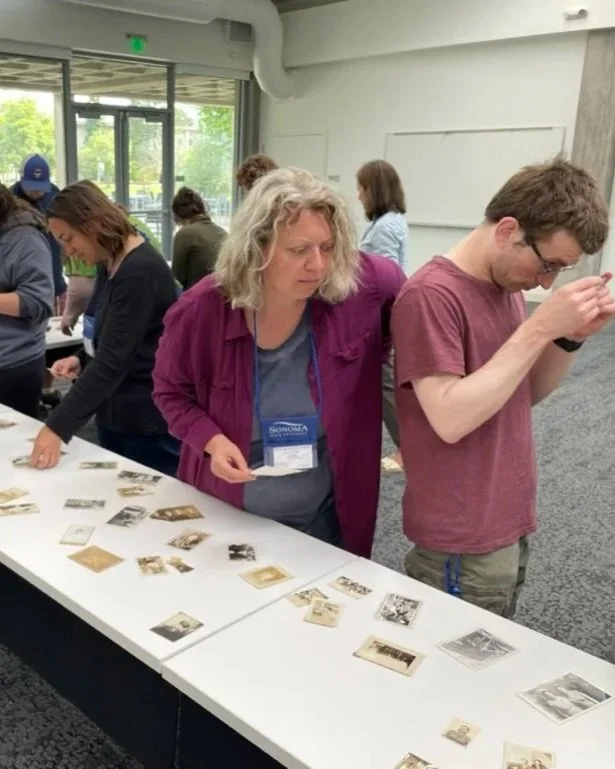
Use the map however you’d like. Draw, collage, paint, stitch, annotate, or layer imagery that reflects your relationship to this place.
There’s no right way to do it. It doesn’t need to look polished. It just needs to feel true.
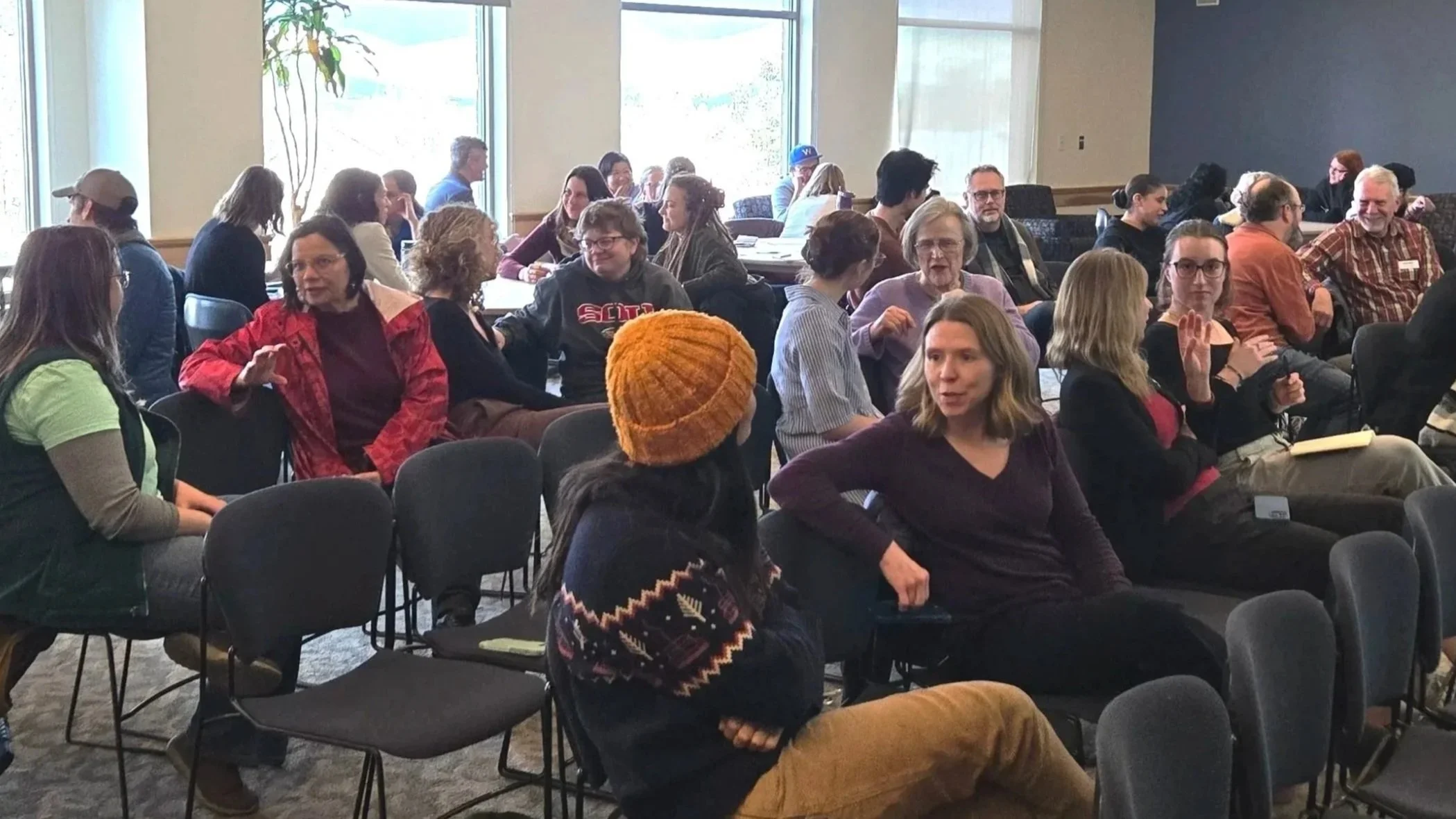
You can work alone, with friends, in classrooms, or join in through one of our community workshops.
Step 3 — Add Your Artist Statement
Include a brief artist statement (75–125 words) that gives us a window into your map — the memories, ideas, or experiences behind it.
Step 4 — Submit
Upload, email, or drop off your finished work.
Project Leads
-
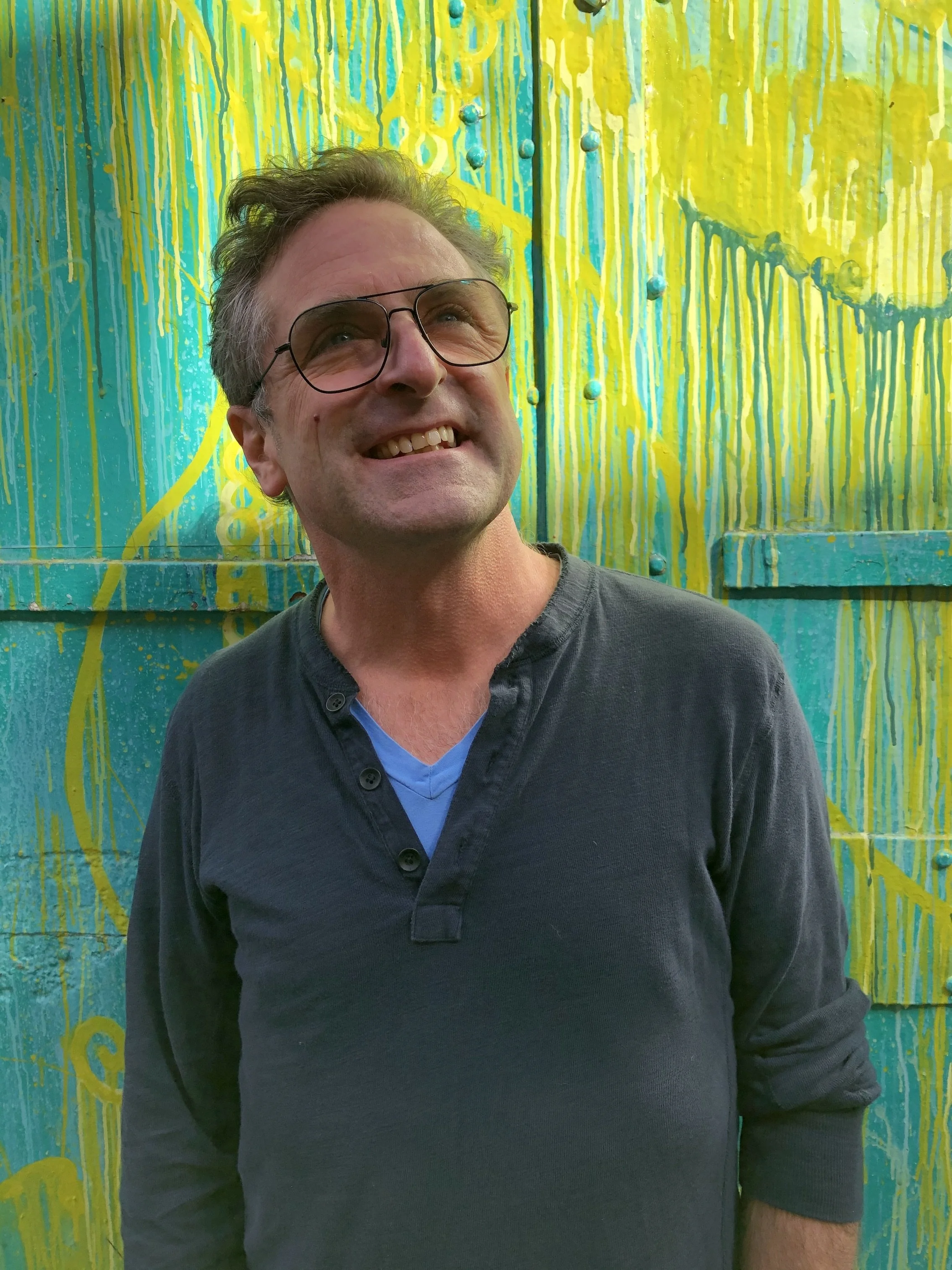
Erick Gordon
Dr. Erick Gordon is the founding director of the Student Press Initiative at Teachers College and the former director of the New York City Writing Project. In 2013, he was named Senior Fellow for Innovation at Columbia University, where he co-created the multimodal learning program Literacy Unbound.
Dr. Gordon currently teaches at Credo High School, a public Waldorf school in Sonoma County, California, that follows the One Planet Living model of sustainability and social responsibility.
-
Fawn Canady
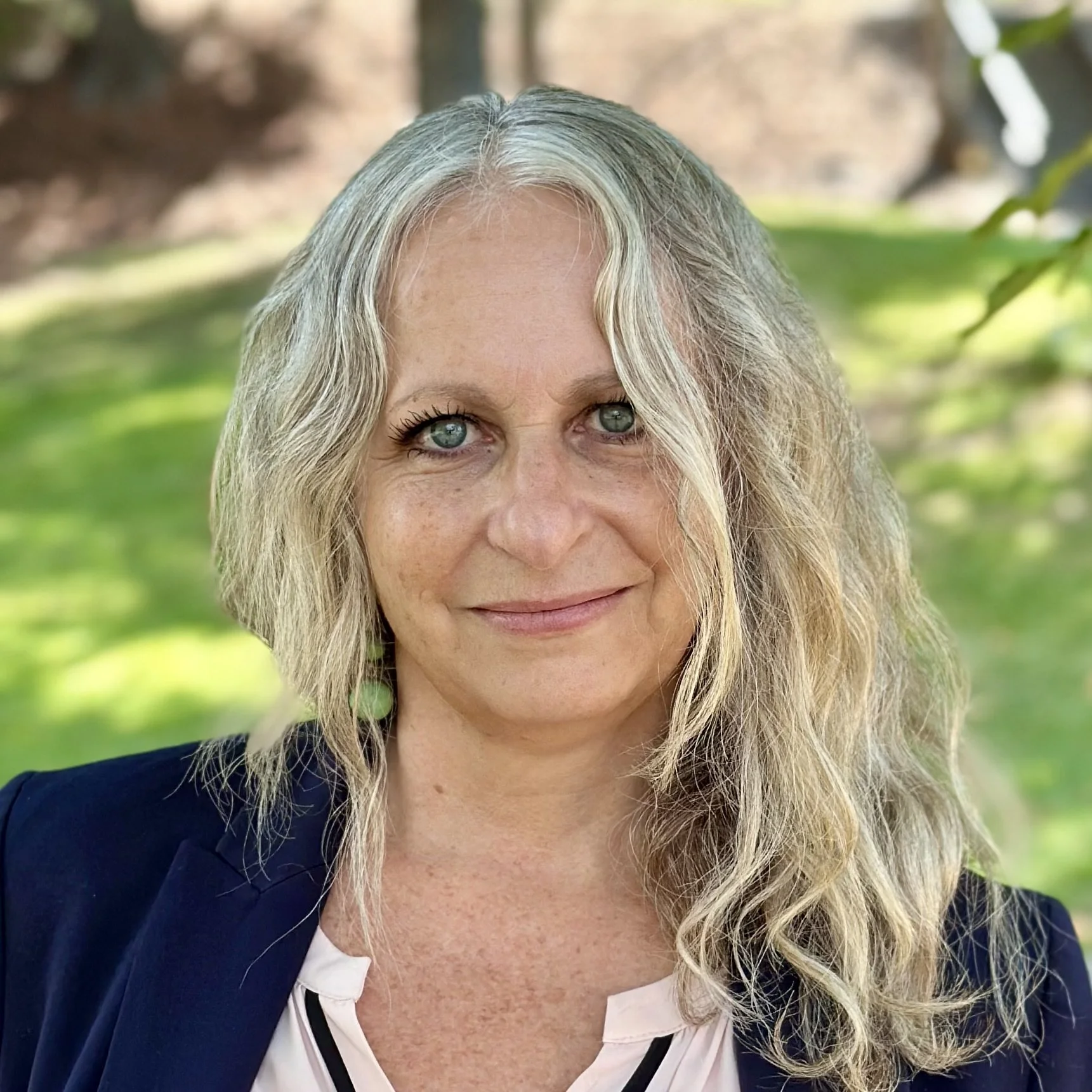
Dr. Fawn Canady is an Assistant Professor of Literacy in SOU’s School of Education and Chair of Ed Undergrad Studies. She is Co-Director of the Oregon Writing Project and a Faculty Fellow at the Institute for Applied Sustainability. She and Erick, with Troy Hicks, led the NEH Human/Nature Institute and were awarded a second NEH grant for the Future Earth Story Project.
Project Context
The project is sponsored by the Institute for Applied Sustainability and led by the Oregon Writing Project at SOU in collaboration with local teachers, artists, students, and community partners. It lives at the intersection of art, writing, and place-based storytelling.
Participants range from kindergarten classrooms to senior citizens. Each map becomes part of a growing archive of lived experience. Individual stories join in a collective story.
“When you choose a place to live, you join the story of that place.”
–Taylor Pennewell, Redbud Resource Group. -
SOU Land Acknowledgement
“In our desire for collective healing and partnership, we offer this Acknowledgment of Indigenous peoples and their connections to the land that Southern Oregon University occupies. This Acknowledgement was developed in conversation between Grand Ronde Tribal staff, Siletz Tribal staff, and Native American Programs faculty and staff at Southern Oregon University; it continues to be a living statement through this ongoing partnership. This Land Acknowledgment may not be altered from this version, as changes will only occur in conversations with our partners. We [you may say I or the name of a program/department] want to take this moment to acknowledge that Southern Oregon University is located within the ancestral homelands of the Shasta, Takelma, and Latgawa peoples who lived here since time immemorial. These Tribes were displaced during rapid Euro-American colonization, the Gold Rush, and armed conflict between 1851 and 1856. In the 1850s, discovery of gold and settlement brought thousands of Euro-Americans to their lands, leading to warfare, epidemics, starvation, and villages being burned. In 1853 the first of several treaties were signed, confederating these Tribes and others together - who would then be referred to as the Rogue River Tribe. These treaties ceded most of their homelands to the United States, and in return they were guaranteed a permanent homeland reserved for them. At the end of the Rogue River Wars in 1856, these Tribes and many other Tribes from western Oregon were removed to the Siletz Reservation and the Grand Ronde Reservation. Today, the Confederated Tribes of Grand Ronde Community of Oregon (https://www.grandronde.org) and the Confederated Tribes of Siletz Indians (http://www.ctsi.nsn.us/) are living descendants of the Takelma, Shasta, and Latgawa peoples of this area. We [you may say I or the name of a program/department] encourage YOU to learn about the land you reside on, and to join us in advocating for the inherent sovereignty of Indigenous people.”
__________
May your commitment to this living land and waters continue to be guided by relationship, reflection, and the responsibility that comes with being a guest on these homelands.
-
Seeing Our Native Students. Free download from Redbud Resource Group. Check out their videos and curriculum.
-
Collective Cartography is a writing project about relationships—between places, people, and time. It begins in Ashland, Oregon, and will expand across the state. The logo shows Oregon as a shared place, textured with fingerprint-like lines for people and communities, and hearts for relationships and sense of place.
In short: storymapping is part of active placemaking.